

New Retail Partnerships Between Lash Brands and Cosmetic Stores
New Retail Partnerships: How Lash Brands and Cosmetic Stores Are Reshaping Beauty Shopping
The global lash industry is experiencing a significant shift, with a growing number of lash brands forging strategic partnerships with cosmetic stores. This trend is not just a fleeting collaboration but a response to evolving consumer demands and the need for brands and retailers to stay competitive in a dynamic beauty market.
In recent years, the false lash market has expanded rapidly, driven by rising interest in eye makeup and the popularity of social media beauty trends. According to Grand View Research, the global false eyelashes market is projected to reach $2.3 billion by 2030, growing at a CAGR of 5.8%. However, while e-commerce remains a key sales channel, consumers are increasingly seeking in-person experiences—they want to touch, feel, and even test products before purchasing. This shift has pushed lash brands to look beyond online platforms and partner with brick-and-mortar cosmetic stores.

So, what exactly do these new retail partnerships entail? They are far more than simple product placements. Many collaborations focus on creating immersive experiences. For example, some lash brands are launching pop-up shops within cosmetic stores, complete with interactive stations where customers can receive personalized lash consultations, try on different styles, and learn application tips from trained staff. This not only drives foot traffic to the stores but also builds trust in the brand, as consumers associate the in-store experience with quality and expertise.
Another common model is the development of exclusive product lines. Lash brands work closely with cosmetic retailers to co-create lashes tailored to the store’s customer base. For instance, a store known for catering to eco-conscious shoppers might partner with a brand to launch a line of vegan, cruelty-free lashes with sustainable packaging. This exclusivity gives the store a unique selling point, while the brand gains access to a targeted audience it might not have reached otherwise.
Joint marketing campaigns are also a cornerstone of these partnerships. Brands and stores collaborate on social media promotions, in-store events, and loyalty programs. A recent example saw a leading lash brand team up with a chain of beauty stores to host “Lash Bar” events, where customers received free mini makeovers featuring the brand’s products. The campaign generated significant buzz on Instagram and TikTok, with hashtags like LashBarExperience reaching millions of views—driving both online engagement and in-store sales.
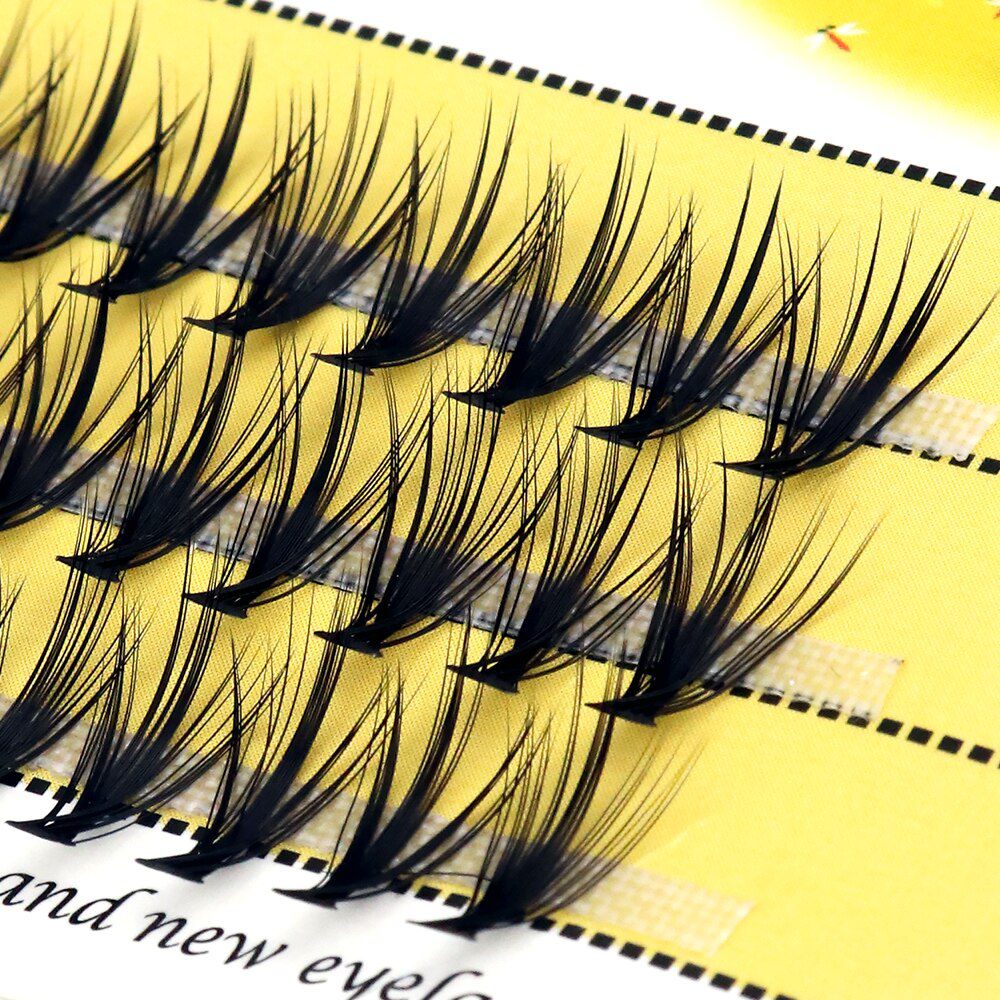
The benefits of these partnerships are mutual. For lash brands, cosmetic stores provide a physical touchpoint to connect with consumers, gather real-time feedback, and increase brand visibility. Stores, on the other hand, benefit from the influx of lash enthusiasts, who often spend more on complementary products like lash glue, removers, and eye makeup. This boost in basket size helps retailers improve their bottom line while diversifying their product offerings.
Looking ahead, these partnerships are likely to evolve with technological advancements. Some brands are already exploring AR (Augmented Reality) tools in stores, allowing customers to “try on” lashes virtually using tablets or smartphone apps. Others are investing in data analytics to better understand in-store customer behavior, enabling more targeted product placements and personalized recommendations.

In conclusion, the new retail partnerships between lash brands and cosmetic stores are reshaping the beauty shopping experience. By combining the convenience of physical retail with the innovation of lash brands, these collaborations are meeting consumer demands for personalization, expertise, and engagement—ultimately driving growth for both parties in an increasingly competitive market.


